
International Trends and Lessons from the Kenyan Experience
Introduction
The rapid expansion of the internet and digital technologies has fundamentally transformed modern society. Communication, commerce, governance, and social interaction increasingly occur online. While these developments have created immense opportunities, they have also opened new avenues for criminal activity. Cybercrime ranging from online fraud and hacking to the spread of harmful digital contenthas become a global concern requiring coordinated legal responses.
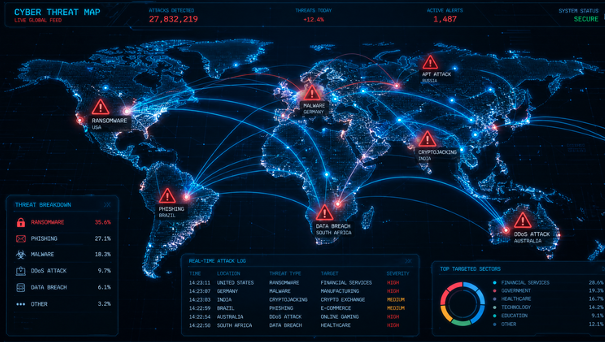
In recent years, the international community has intensified efforts to develop legal frameworks aimed at cybercrime. However, these efforts have raised important questions about the balance between combating cyber threats and protecting fundamental human rights. Courts across the world have increasingly been called upon to examine whether cybercrime laws go too far in restricting freedom of expression and digital rights. A notable example can be seen in the Kenyan case of Bloggers Association of Kenya (BAKE) v Attorney General & 6 others, which illustrates the challenges that arise when governments attempt to regulate online speech.
The Global Rise of Cybercrime Regulation
Cybercrime differs from traditional crime in one crucial respect: it rarely respects national borders. A cybercriminal operating in one country may target victims in multiple jurisdictions within seconds. This cross-border nature makes it difficult for individual states to effectively investigate and prosecute offences without international cooperation. Recognizing this challenge, international organizations have developed frameworks to harmonize cybercrime laws and facilitate cooperation between states. One of the earliest and most influential instruments is the Budapest Convention on Cybercrime, adopted by the Council of Europe in 2001.
The convention established common definitions for cyber offences such as illegal access to computer systems, online fraud, and data interference. It also introduced mechanisms for mutual legal assistance and investigation. cross-border Despite its importance, the Budapest Convention has faced criticism for being largely European in origin and lacking universal participation. Many developing countries were not involved in its negotiation and have therefore called for a more inclusive international framework
In response to these concerns, the United Nations has been working toward the adoption of a comprehensive UN Convention on Cybercrime. The proposed treaty aims to strengthen global cooperation, harmonize cybercrime legislation, and provide technical assistance to countries that lack the capacity to combat digital crime effectively.
The Human Rights Dimension of Cybercrime Laws
While cybercrime legislation is essential for protecting digital infrastructure and preventing criminal activity, it has also generated significant debate regarding its impact on fundamental rights. Laws intended to regulate online conduct can sometimes be drafted in overly broad terms, potentially criminalizing legitimate speech. Human rights organizations such as Amnesty International and Human Rights Watch have repeatedly warned that poorly designed cybercrime laws can be misused to suppress dissent, restrict journalism, or silence critics of government policies. Provisions that criminalize “false information” or “misleading publications” are particularly controversial because they may be interpreted subjectively.
This tension between cybersecurity and freedom of expression has increasingly become a central issue in international legal discourse. The challenge lies in crafting legal frameworks that effectively address cyber threats while maintaining respect for democratic values and human rights.

Lessons from the Kenyan Experience
The Kenyan case of Bloggers Association of Kenya (BAKE) v Attorney General & 6 others provides a useful illustration of these tensions.
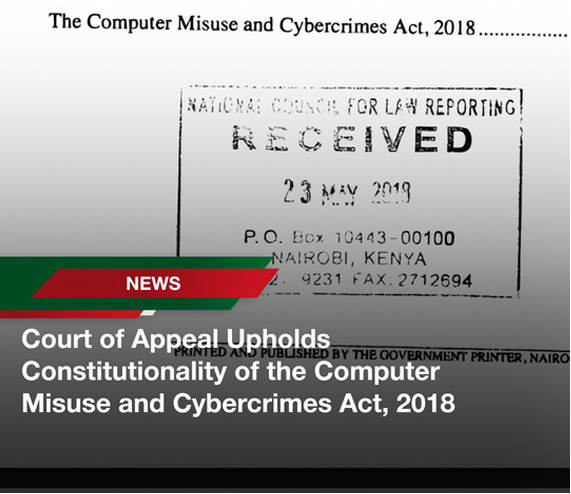
The case involved a constitutional challenge to certain provisions of Kenya’s cybercrime legislation that criminalized the publication of false or misleading information online. In its decision, the Court of Appeal of Kenya declared the contested provisions unconstitutional on the grounds that they were vague and overly broad. The court observed that such provisions could easily lead to arbitrary enforcement and might discourage individuals from participating in legitimate online discussions. The judgment reaffirmed that freedom of expression applies equally in digital spaces and that restrictions on speech must meet strict constitutional standards. Importantly, the court acknowledged the government’s legitimate interest in addressing cybercrime but emphasized that this objective cannot be pursued at the expense of fundamental rights. Although the decision was grounded in Kenya’s constitutional framework, its reasoning reflects broader global concerns regarding the regulation of digital expression.
Implications for International Cyber Law
The Kenyan experience highlights a critical issue confronting policymakers worldwide; how to design cybercrime legislation that effectively addresses criminal activity without undermining civil liberties. As countries continue to develop domestic cybercrime laws, courts will likely play an increasingly important role in reviewing their compatibility with constitutional and international human rights standards.
International instruments such as the proposed UN Convention on Cybercrime must also take these concerns into account. A successful global framework will need to strike a careful balance between empowering law enforcement agencies and safeguarding individual rights. Moreover, the international community must recognize that digital rights are an extension of traditional human rights. Freedom of expression, privacy, and access to information remain essential components of democratic societies, regardless of whether communication occurs offline or online.
Conclusion
Cybercrime presents one of the most complex legal challenges of the modern era. Its borderless nature demands international cooperation, coordinated legal frameworks, and technological expertise. At the same time, the regulation of cyberspace must remain consistent with fundamental principles of human rights and democratic governance. The case of Bloggers Association of Kenya (BAKE) v Attorney General & 6 others serves as an important reminder that courts can play a crucial role in maintaining this balance. By scrutinizing cybercrime laws and ensuring they comply with constitutional protections, judicial institutions help safeguard the freedoms that underpin open and democratic societies. As international efforts to regulate cybercrime continue to evolve, the lessons drawn from national experiences such as Kenya’s will remain valuable in shaping a more balanced and rights-respecting global approach to cybersecurity.
Article By: Daniel Munyoki
Associate Advocate